Expert Lymphatic CARE THAT HEALS
Looking for a Certified Lymphedema Therapist (CLT) in Loudoun County? As a CLT, Dr. Grace delivers Complete Decongestive Therapy (CDT). This is an integrated approach that combines Manual Lymphatic Drainage, Customized Compression Therapy, Targeted Therapeutic Exercises, and Essential Skin Care Management, all working together to reduce swelling, improve function, and help you manage your condition effectively in the long term.


CLINICAL LYMPHATIC DRAINAGE VS. SPA MASSAGE
Both serve important roles; they're simply designed for different purposes.
Massage Therapy
Wellness Professionals
- Provide valuable services for relaxation and stress relief
- Help with muscle tension and general wellness
- Support overall health and well-being
- Ideal for maintenance and self-care
Clinical Lymphatic drainage
Medical-Grade Lymphatic Care
- Provide evidence-based Complete Decongestive Therapy (CDT)
- Comprehensive clinical assessment of lymphatic systems
- Manage swelling conditions requiring medical expertise
- Multi-component intervention: Manual Drainage + Compression + Exercise + Skin Care
- 135+ hours of specialized training beyond DPT degree
- Coordinate care with medical team
The Bottom Line: Both professions serve important roles in healthcare and wellness. Massage therapists provide valuable services for relaxation and general well-being. DPT + CLT specialists provide medical-grade Complete Decongestive Therapy for conditions that require clinical expertise, comprehensive assessment, and multi-component intervention.
Specialized Care For Complex Conditions
Post-Surgical Swelling
Cosmetic or orthopedic procedures
Lipedema
Abnormal fat accumulation
Lymphedema
Lymphatic fluid leakage
Cancer-Related Lymphedema
Breast, gynecologic, head and neck cancer
Lipolymphedema
Combined lipedema and lymphedema
Chronic Venous Insufficiency
CVI-related swelling
Phlebolipolymphedema
Combined venous, lipedema, and lymphedema
Chronic Swelling Disorders
Persistent edema conditions
Phlebolymphedema
Combined venous and lymphatic dysfunction
What Makes CDT Effective
As a DPT + CLT specialist, Dr. Grace provides medical-grade Complete Decongestive Therapy using evidence-based protocols for managing swelling conditions that require clinical expertise, comprehensive assessment, and multi-component intervention.
Manual Lymph Drainage
Gentle technique that stimulates lymphatic vessels.
Compression Therapy
Custom bandaging and garment fitting.
Therapeutic Exercise
Personalized movement protocols.
Skin Care Protocol
Education to maintain skin health.
Self-Management Training
Techniques and protocols to maintain your results long-term.
Living With Swelling Shouldn't Be Your Normal
Every day that swelling goes improperly managed, the risk of it becoming a chronic, more complex issue increases. Don't let another day be defined by discomfort. Take decisive action toward lasting relief by scheduling your clinical consultation.
Chronic Swelling
Persistent edema in your arms or legs that won't respond to elevation alone.
Post-Surgery Recovery
After surgery, fluid buildup can delay healing and create complications.
Misdiagnosis & Confusion
Lipedema is frequently mistaken for obesity. Lymphedema is dismissed as "just swelling."
When You Have Medical Swelling, You Need Medical Expertise
Dual Doctoral + Certification Training Means Comprehensive Care
Comprehensive Assessment Capability
I can evaluate your entire musculoskeletal AND lymphatic systems, identifying related orthopedic and muscular issues that other therapists might miss
Complete Treatment Protocol
CDT includes Manual Lymphatic Drainage PLUS compression management, therapeutic exercise, and skin care education
Medical Coordination
I communicate with your physicians, provide clinical documentation, and integrate care with your medical team.
Risk Management
Training to recognize contraindications and complications requiring physician involvement
Functional Integration
Address both swelling AND movement dysfunction in one cohesive treatment plan
Evidence-Based Practice
20+ years applying clinical research to optimize your outcomes
Certified in Manual Lymph Drainage/Complete Decongestive Therapy · TITLEIST Certified Golf Fitness

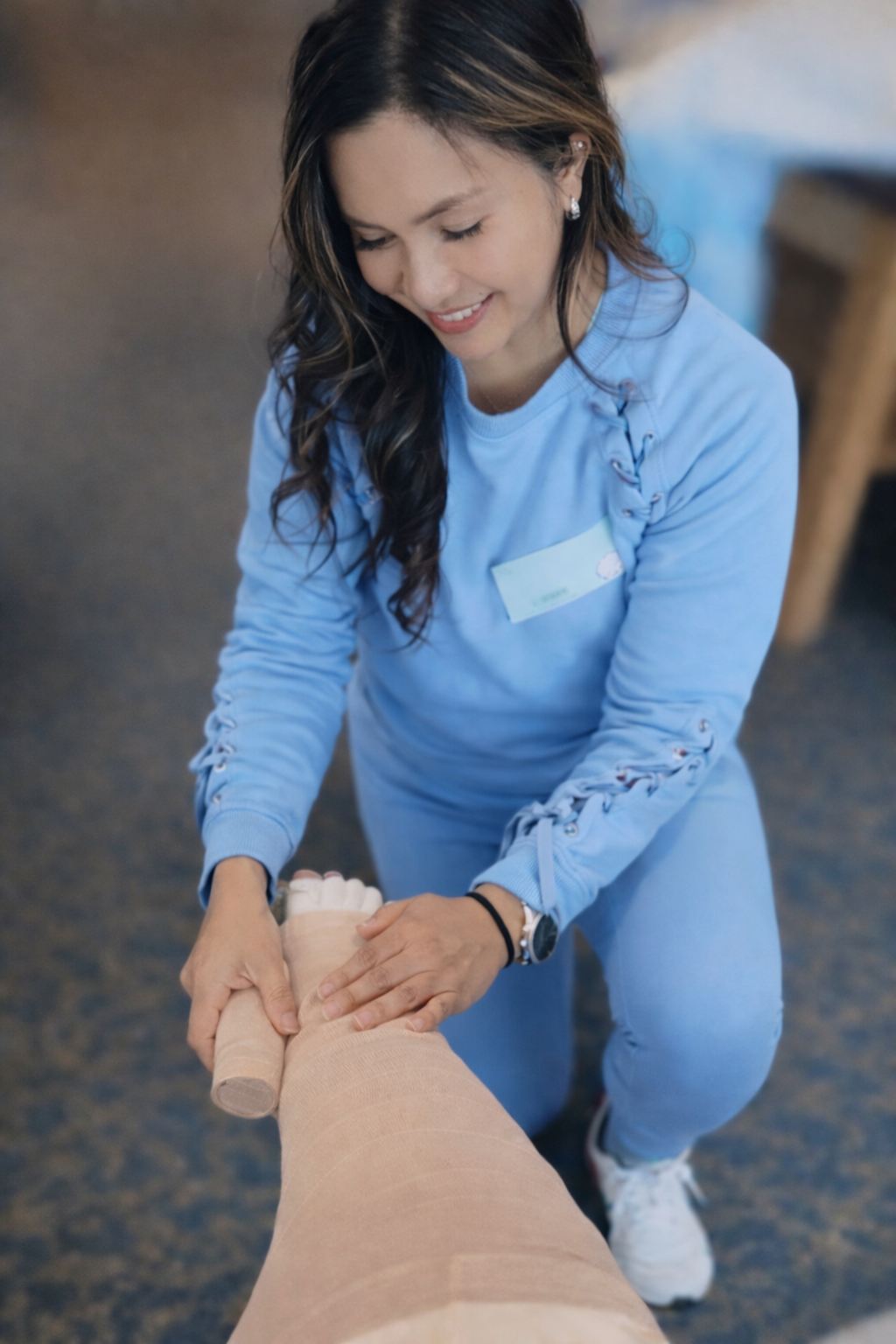
DR. GRACE VILLAVER
DPT, CLT, CMTPT/DN, TGFI, COMT
Doctor of Physical Therapy
Certified Lymphedema Therapist (MLD & CDT)
Certified Myofascial Trigger Point Therapist / Dry Needling
Titleist Certified Golf Fitness Instructor
Certified Orthopedic Manual Therapist
Adjunct Faculty, Marymount University
With over 20 years of experience as a Doctor of Physical Therapy and a Certified Lymphedema Therapist, I am one of fewer than 10 practitioners within a 25-mile radius of Leesburg to hold both credentials.
REAL RESULTS, REAL PEOPLE
Specialized Lymphatic Care Is For You If...
- You're managing lymphedema, lipedema, or chronic swelling that hasn't improved with basic or generalized care
- You're recovering from surgery and want support that prioritizes optimal healing and long-term outcomes
- You're seeking specialized clinical lymphatic therapy, not services designed primarily for relaxation
- You value working with a provider who applies medical knowledge, precision, and individualized treatment plans
- You prefer care delivered within a traditional insurance-based clinic model
- You're seeking care that is primarily focused on relaxation or wellness, rather than medically guided lymphatic therapy
- You prefer treatment in a spa or wellness setting rather than a clinical, outcomes-driven approach
- You're not currently looking for specialized, condition-focused lymphatic care
In-Depth Condition Information
What is Post-Surgical Inflammation?
Post-surgical inflammation is the body's natural response to tissue injury caused by surgery.
- It involves swelling, redness, warmth, pain, and sometimes limited movement around the surgical site.
- This inflammatory process helps protect the area and initiates healing by increasing blood flow and immune cell activity.
- However, excessive or prolonged inflammation can delay healing, increase discomfort, and contribute to complications like fibrosis or chronic swelling.
Why is it important?
- Managing post-surgical inflammation is crucial to promote faster recovery, reduce pain, and restore function.
- Therapies like Complete Lymphatic Therapy (CLT), including manual lymphatic drainage and compression, help reduce excess fluid buildup and support lymphatic drainage.
- Early intervention can minimize swelling and stiffness, improve mobility, and decrease the risk of developing secondary lymphedema or scar tissue formation.
What is Lipedema?
Lipedema is a chronic condition characterized by the symmetrical and abnormal accumulation of fatty tissue, usually in the legs and sometimes the arms, primarily affecting women.
- It involves an excessive buildup of subcutaneous fat that is resistant to diet and exercise.
- The affected areas are often painful, tender to touch, and may bruise easily.
- Unlike obesity, lipedema fat has a distinct pattern and does not affect the hands or feet.
Why is it important?
- Lipedema can cause significant discomfort, reduced mobility, and psychological distress.
- If untreated, it may progress and worsen, potentially leading to secondary lymphatic impairment (lipolymphedema).
- Treatment focuses on symptom management including compression therapy, manual lymphatic drainage, healthy lifestyle habits, and sometimes surgical options like liposuction.
What is Lymphedema?
Lymphedema is a condition caused by the abnormal accumulation of protein-rich fluid due to impaired lymphatic system function.
- It can be primary (genetic) or secondary (acquired from surgery, trauma, infection, or cancer treatments).
- This impairment reduces lymph fluid drainage, causing swelling, usually in the arms or legs.
- The swelling can lead to discomfort, decreased mobility, skin changes, and risk of infections.
Why is it important?
- Early diagnosis and treatment are essential to prevent progression and complications.
- Complete Decongestive Therapy (CDT), which includes manual lymphatic drainage, compression, skin care, and exercise, is the gold standard treatment.
- Managing lymphedema improves quality of life and functional outcomes.
What is Lipolymphedema?
Lipolymphedema is a complex condition where lipedema and lymphedema coexist, leading to both abnormal fat deposits and impaired lymphatic drainage.
- The excess fatty tissue in lipedema can overload or damage the lymphatic vessels, resulting in secondary lymphedema.
- This combination causes persistent swelling with features of both fat accumulation and fluid retention.
- It often presents with increased limb size, heaviness, discomfort, and skin changes.
Why is it important?
- Lipolymphedema requires specialized treatment addressing both the fatty tissue and lymphatic dysfunction.
- Management includes Complete Decongestive Therapy (CDT) with manual lymphatic drainage, compression, exercise, and lifestyle modifications.
- Early intervention can slow progression and improve symptoms and quality of life.
What is Phlebolymphedema?
Phlebolymphedema is a condition characterized by the combination of chronic venous insufficiency (problems with the veins in the legs that cause blood to pool or flow backward) and lymphedema (swelling due to impaired lymphatic drainage).
In this condition:
- The veins are not working properly, causing blood to accumulate and increased pressure in the veins (venous hypertension).
- This venous pressure damages the lymphatic vessels over time, leading to a secondary impairment of lymphatic drainage.
- The combined failure of both the venous and lymphatic systems results in persistent, often severe swelling in the affected limb, usually the lower leg.
Phlebolymphedema typically develops in people with chronic venous disease, such as varicose veins or deep vein thrombosis, that eventually leads to lymphatic dysfunction.
Why is it important?
- The swelling is more difficult to treat because it involves both the venous and lymphatic systems.
- Treatment often requires addressing both systems, including compression therapy, manual lymphatic drainage, and management of venous disease.
- If untreated, it can lead to skin changes, infections, and ulcers.
What is Lymphorrhea?
Lymphorrhea is a condition characterized by the leakage or discharge of lymphatic fluid through the skin or surgical wounds.
- It occurs when the lymphatic vessels are damaged, blocked, or overwhelmed, causing lymph fluid to escape from the lymphatic system into surrounding tissues or out through the skin.
- This leakage is typically clear or slightly yellowish and contains protein-rich lymph fluid.
- Lymphorrhea is often seen after surgeries involving lymph node removal, trauma, infections, or severe lymphedema.
Why is it important?
- Lymphorrhea increases the risk of skin infections and delayed wound healing due to constant fluid leakage.
- It indicates significant lymphatic system dysfunction and often requires specialized care to manage the fluid loss and prevent complications.
- Treatment includes gentle wound care, compression therapy, manual lymphatic drainage, and sometimes protective dressings to control leakage and promote lymphatic repair.
Frequently Asked Questions
Everything you need to know about certified lymphatic therapy.
A certified lymphatic therapist (CLT) is a healthcare professional who has completed 135+ hours of specialized training in manual lymphatic drainage and complete decongestive therapy. Unlike spa massage therapists, CLTs are qualified to assess and treat medical conditions like lymphedema, lipedema, and post-surgical swelling.
Spa lymphatic massage is relaxation therapy, not medical care. Clinical Manual Lymphatic Drainage (MLD) performed by a certified lymphatic therapist requires 135+ hours of specialized training beyond a DPT degree. A CLT assesses your complete clinical picture, identifies contraindications, and delivers evidence-based Complete Decongestive Therapy.
For most cosmetic procedures like liposuction, tummy tucks, or BBLs, lymphatic drainage can begin 24-72 hours post-surgery with physician clearance. Early intervention is designed to help manage swelling and support the healing process.
Yes! We come to you. Mobile lymphatic therapy eliminates the stress of travel and allows you to receive treatment in the comfort of your own home throughout Loudoun County and Northern Virginia.
Lymphedema is a chronic condition that is currently not curable, but it is highly manageable with proper treatment. Complete Decongestive Therapy (CDT) can significantly reduce swelling, improve function, and prevent progression. With consistent care including manual lymphatic drainage, compression therapy, and exercise, many patients experience substantial improvement in symptoms and quality of life.
Request Your Private Consultation
To find out more, contact us for a Complimentary Discovery Call
Get In Touch
Level Up Rehabilitation Services, LLC
Business Hours
Office Location & Service Map
Dr. Grace Villaver
DPT, CLT, CMTPT/DN, COMT, TGFI
Doctor of Physical Therapy
Certified Lymphedema Therapist (MLD&CDT)
Certified Orthopedic Manual Therapist
Certified Myofascial Trigger Point Therapist
Titleist Certified Golf Fitness Instructor
Quick Links
Level Up Rehabilitation Services, LLC
42910 Winkel Dr Unit#105, Ashburn, VA 20147
(703) 637-8252
drgracevillaver@levelupptdoc.com
Business Hours: Mon-Fri (7 AM - 5 PM)
Follow Dr. Grace
Copyright 2026 , all rights reserved.